Open-RMF execution
eplansys_rmf_bridge runs an epistemic policy on a robot fleet managed by
Open-RMF. It is an ActionExecutorClient:
it accepts a dispatched action, submits the corresponding RMF task, waits for
completion, and calls finish() with the outcome the robot observed.
plansys2_msgs/ActionExecution carries an outcome field for this, and
the policy branches on it.
The bridge is maintained in its own repository,
eplansys-rmf. Open-RMF is a
substantial dependency, and requiring it from eplansys would render the
planning stack unusable for installations that do not operate a fleet. This is
the arrangement plansys2_aletheia_plan_solver already uses for its external
binary.
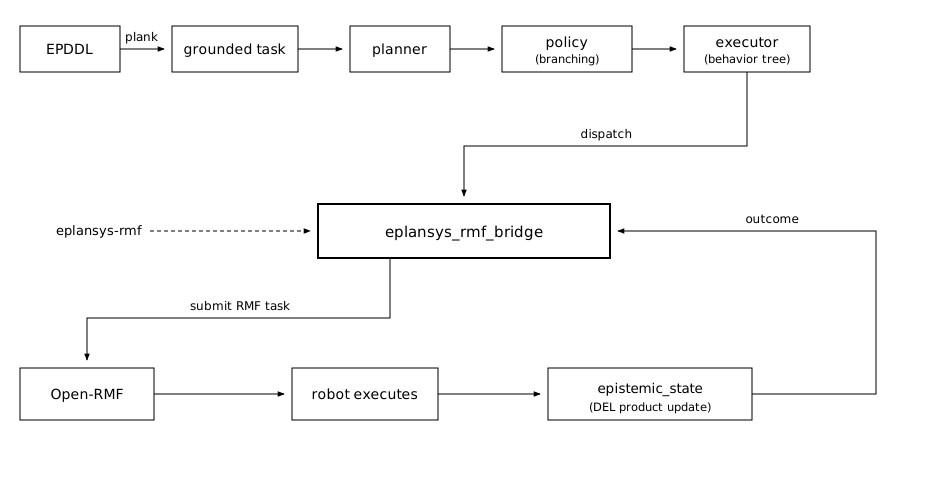
Fig. 9 Where the bridge sits between the policy and the fleet
The loop closes at the bridge: it is the only component that both dispatches
into the fleet and receives what the fleet observed. Everything above it is the
planner’s, everything below it is Open-RMF’s, and the outcome edge is the
one that makes the execution epistemic rather than a remote control.
Division of responsibility
The two systems decide disjoint things. Open-RMF holds no representation of knowledge, and ePlanSys holds no representation of shared physical resources.
System |
Determines |
|---|---|
ePlanSys |
what has to be found out, which agent should act, and which agents may come to know the result |
Open-RMF |
the allocation of floor space, lifts and doors, and which robot is available to perform the work |
What a performer does
The process reads its task map and turns every action name in it into one performer. What that performer does when the executor dispatches it depends on the entry:
An action that moves a robot submits an RMF task pinned to the robot its agent is bound to, waits for the fleet to report it done, and finishes.
An action marked
localis a speech act. RMF has no representation of saying things and no robot moves to say them, so nothing is submitted and the performer completes after its stated duration. The epistemic effect is entirely the planner’s.An action marked
sensingfinishes with an outcome token. This is the argument the policy branches on, and the only reason the bridge is more than a remote control.
Reference scenario
The survey domain: three robots and a site that may be contaminated, under a goal of three conjuncts. The scout is required to find out whether the site is contaminated, the relay to come to know the result, and an observer not to. The planner declines to broadcast and uses a private channel instead, since broadcasting would falsify the third conjunct. Executing it over an RMF fleet, with RMF driving the robots, is the intended demonstration of the bridge, and is described in Running the survey demo.